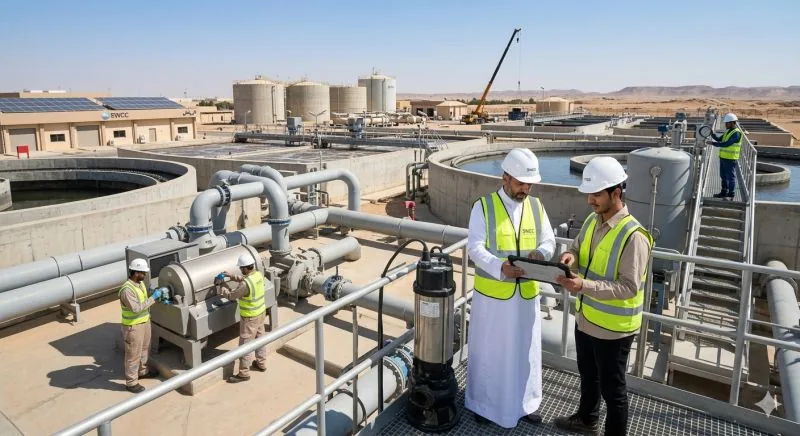
The Hardest Decisions Are Not Made in the Office
Engineering's most challenging decisions are not made in the office. They are made on site — under pressure. When timelines are tight, resources are limited, and something unexpected happens at 2 AM in a remote pump station, the drawings provide no answer. Experience, judgment, and composure do.
What On-Site Decision-Making Actually Requires
Technical knowledge is necessary but not sufficient. On-site decision-making under pressure requires:
- Pattern Recognition: The ability to quickly identify which class of problem you're facing based on limited early information
- Risk Assessment Without Time: Rapidly estimating consequences of action vs. inaction
- Team Leadership: Directing multidisciplinary teams toward a solution when everyone is looking for someone to decide
- Communication Under Pressure: Keeping stakeholders informed with accurate, concise updates when information is still incomplete
The Cost of Hesitation vs. The Cost of Errors
In real projects, delays are costly. But wrong decisions cost even more. The challenge is that in the field, you rarely have the luxury of being certain before you must act. You must develop the ability to make the best decision available with the information you have — then execute it decisively.
From projects spanning 100+ km of pipeline in the Saudi desert to multi-stage pump stations serving hundreds of thousands of people, the critical moments were never in the design review meetings. They were in the field — when something didn't go according to plan.
Engineering Is Responsibility
The equations, the models, and the designs are means to an end. The end is infrastructure that works, reliably, for the people who depend on it. Every decision — on site and in the office — carries that responsibility.